Tile Roof Replacement Overview
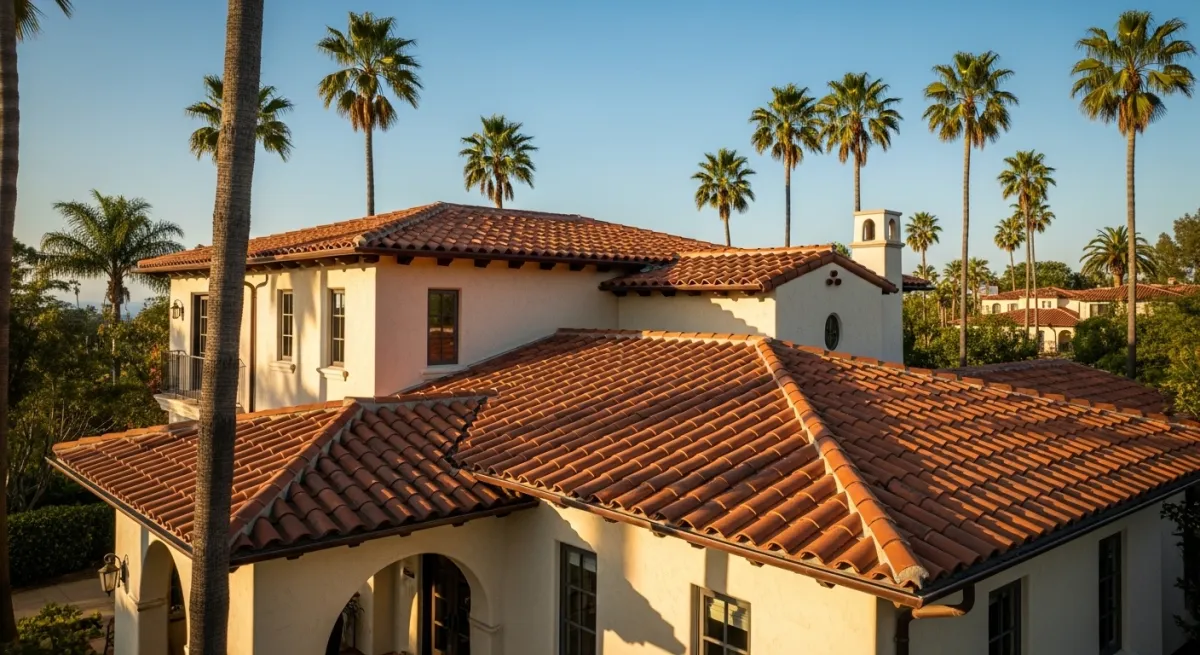
Tile is the longest-lasting common residential roofing material in the United States. A properly installed tile roof can last 50 to 100+ years depending on the material, often outlasting two or three asphalt shingle replacements over the same time period. Tile is most common across the Southwest, Southeast, and California, where the hot, dry climate suits the material's thermal performance and where Mediterranean and Spanish Colonial architecture is widespread.
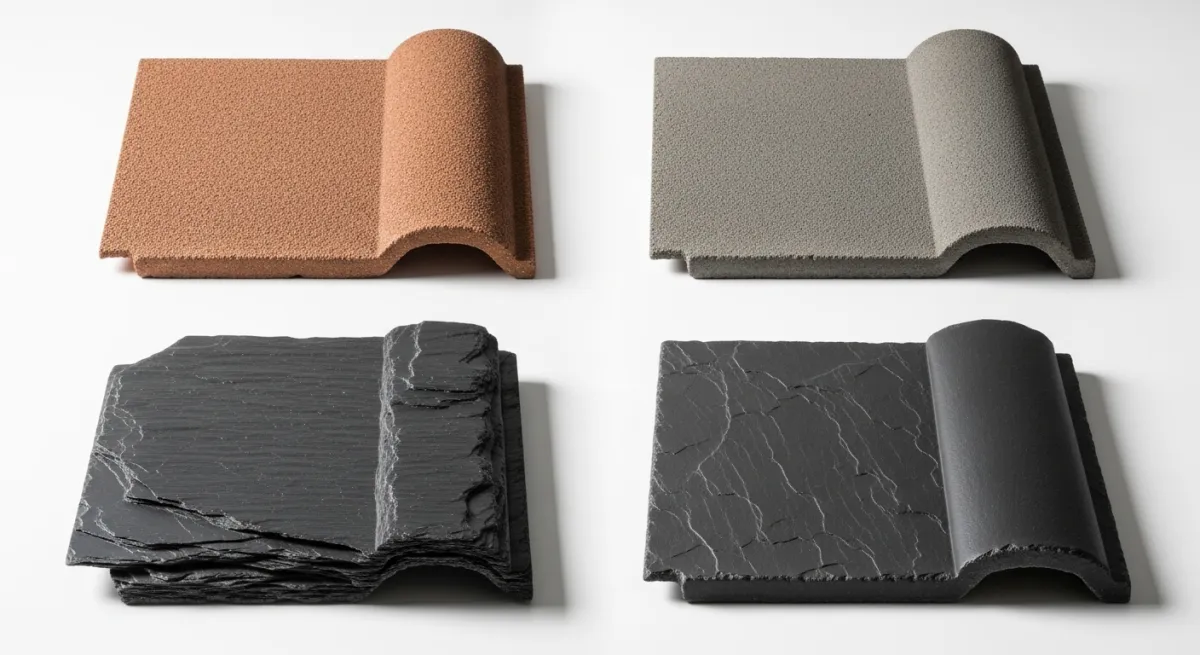
The four main types of residential tile roofing:
- Clay tile — fired clay with a 75–100+ year lifespan. The traditional choice for terracotta and Mediterranean roofs. Color is fired into the tile and doesn't fade.
- Concrete tile — formed from a concrete mixture, with a 50–75 year lifespan. More affordable than clay, available in a wide range of colors and profiles.
- Natural slate — quarried stone with a 75–150+ year lifespan. The premium choice, common on historic homes in the Northeast and on high-end residential projects.
- Synthetic tile — composite or polymer products that mimic the appearance of clay or slate at a lower weight and lower cost, with a 40–60 year lifespan.
Call (888) 217-6517 for a free written estimate from a licensed tile roofing contractor.
Get a Free Tile Roof Estimate
(888) 217-6517Licensed Tile Specialists · Free Structural Assessment · Workmanship Warranty
Tile Roof Installation: Why It Requires a Specialist
Tile roof installation requires more specialized expertise than asphalt shingle work. Several factors make tile a different category of project:
Structural Considerations
Tile weighs 600 to 1,100 pounds per square — 2 to 4 times heavier than asphalt shingles. Homes built for shingle roofing may need structural reinforcement to the trusses, rafters, or bearing walls before tile can be installed safely. A licensed contractor will conduct a structural assessment as part of the inspection and recommend any reinforcement needed in writing.
Batten and Drainage Systems
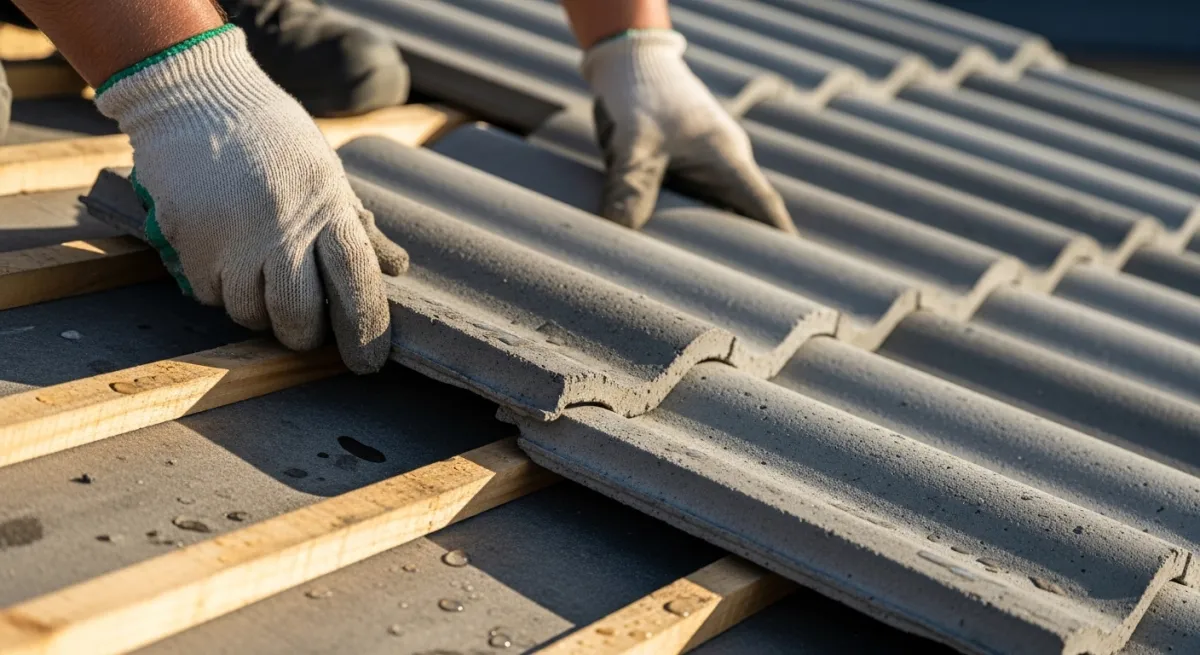
Tile requires counter-battens and horizontal battens beneath the tile to create an air gap and drainage plane. Without this system, moisture trapped between the tile and the underlayment can damage the decking. Proper batten installation is fundamental to tile roof longevity.
High-Wind Fastening
In hurricane and high-wind zones (Florida, coastal Texas, Carolinas), every tile must be mechanically fastened to meet local code. Building inspectors verify fastener patterns and tile attachment during the final inspection.
Hand-Cut Detail Work
Hips, ridges, valleys, and penetrations require hand-cut tiles and custom flashing. This detail work takes more time than asphalt shingle work and requires experience with the specific tile profile being installed.
Hiring a contractor with documented tile experience is important — improper installation can lead to leaks, premature cracking, and voided manufacturer warranties. Call (888) 217-6517 for a free consultation with a tile specialist.
Tile Roof Replacement Cost
For a 2,000 sq ft home, full tile roof replacement typically runs:
- Concrete tile: $20,000–$36,000 ($10–$18 per sq ft installed)
- Clay tile: $28,000–$50,000 ($14–$25 per sq ft installed)
- Natural slate: $40,000–$80,000+ ($20–$40 per sq ft installed)
- Synthetic tile: $15,000–$30,000 (varies by product line)
The biggest cost variable beyond the tile material itself is structural reinforcement. If your home was built for lightweight shingle roofing, reinforcing the framing to support tile typically adds $1,500–$8,000 to the project, depending on the scope of the structural work needed. Roof pitch, complexity (number of hips, valleys, dormers, skylights), tear-off layers, and high-wind code requirements also affect the final number.
See our roof replacement cost guide for a full breakdown by material and region, or call (888) 217-6517 for a free written estimate that includes the structural assessment.
Get a Free Written Estimate
(888) 217-6517Includes Structural Assessment · Licensed Tile Specialists · No Obligation
"Their inspector did a structural assessment before quoting the project. The detailed estimate covered everything." — David R., Scottsdale
Pros and Cons of Tile Roof Replacement
Tile roofing offers exceptional longevity and curb appeal but isn't the right fit for every home or budget. Here are the main trade-offs.
Advantages
- Very long lifespan — 50 to 100+ years, longer than any other common residential roofing material.
- Class A fire rating — non-combustible, which is particularly valuable in wildfire-prone areas of California, Arizona, and Colorado. Many insurance carriers offer discounts for tile in wildfire zones.
- Strong curb appeal — distinctive profiles, rich colors, and dramatic shadow lines that complement Mediterranean, Spanish Colonial, and Tuscan architecture.
- Energy efficiency in hot climates — natural thermal mass and the air gap from batten installation can reduce cooling loads by 10–20% in hot, sunny regions.
- Low maintenance — minimal upkeep over decades, no granule loss, no significant moss or algae growth.
- Resale value — tile roofs typically add 5–10% to home resale value in regions where tile is common.
Trade-offs
- Significant weight — 2 to 4 times heavier than asphalt shingles, often requiring structural reinforcement on homes built for shingle roofing.
- Higher upfront cost — typically 2 to 4 times the cost of architectural asphalt shingles, with slate even higher.
- Tile breakage from foot traffic — individual tiles can crack under foot pressure, so HVAC and gutter crews need to know how to navigate a tile roof.
- Specialized installation — fewer contractors are qualified to install tile compared to asphalt, which can mean longer scheduling lead times in some regions.
- Color matching for repairs — older tile colors may be discontinued, making spot repairs years later challenging.
Call (888) 217-6517 for a free consultation on whether tile is the right fit for your home.
When Tile Roof Replacement Makes Sense
Tile is a particularly good fit in several situations:
- Long-term homeowners who plan to stay in the home for 15+ years and benefit from the longer lifespan.
- Hot, dry climates where the thermal mass and air gap reduce cooling loads.
- Wildfire-prone regions where the Class A fire rating provides meaningful protection and may qualify for insurance discounts.
- Homes with Mediterranean, Spanish Colonial, or Tuscan architecture where tile is the historically appropriate material.
- Hurricane zones when properly fastened to local code, tile handles high winds well.
- Homes already built for tile loading where no structural reinforcement is needed.
Call (888) 217-6517 for a free consultation.
Schedule a Free Tile Roof Consultation
(888) 217-6517Free Structural Assessment · Licensed Specialists · Workmanship Warranty
"Our old tile roof needed full replacement. The crew completed the work in four days and the new tiles look great." — Maria G., Miami
Tile Roof Replacement Process
Tile roof replacement requires more steps than asphalt shingle work, primarily because of the structural assessment and the batten system underneath the tiles. A typical project follows the same six steps from initial assessment through final inspection.
Roof and Structural Assessment
A licensed inspector evaluates the existing roof condition and the home's structural framing to confirm it can support the weight of tile. If reinforcement is needed, the contractor provides an engineering plan and cost estimate before any work begins.
Written Estimate and Tile Selection
You receive an itemized written estimate covering tiles, underlayment, battens, flashing, structural work, labor, permits, and warranty terms. Choose from clay, concrete, slate, or synthetic tile options in the profile and color that fits your home.
Structural Reinforcement (if needed)
If the structural assessment indicates that reinforcement is needed, the crew adds support to trusses, rafters, and bearing points per the engineering plan. This work is completed before any roofing material is installed.
Tear-Off and Deck Preparation
The crew removes the existing roofing material, replaces any damaged decking, and installs premium underlayment plus the counter-batten and horizontal batten system that creates the drainage plane required for tile.
Tile Installation
Crews install each tile per manufacturer specifications and local building codes — proper hip and ridge detailing, valley flashing, and mechanical fastening for high-wind areas. Hand-cut tiles are used at hips, valleys, and penetrations.
Final Inspection and Warranty Activation
A final quality inspection covers every ridge, valley, and penetration. After your approval, manufacturer warranty registration and the written workmanship warranty are completed before the crew leaves.
Tile Roof Replacement FAQ
How long does a tile roof last?
Clay tiles routinely last 75 to 100+ years. Natural slate lasts 75 to 150+ years. Concrete tiles typically last 50 to 75 years. Synthetic tiles offer 40 to 60 years of service life. The underlayment beneath tile usually needs replacement every 20 to 40 years, but the tiles themselves can often be reused. Tile is the longest-lasting common residential roofing material. Call (888) 217-6517 for a free written estimate.
Can my house support a tile roof?
Tile roofs weigh roughly 600 to 1,100 pounds per square (100 sq ft), which is 2 to 4 times heavier than asphalt shingles (200–350 lbs per square). Many homes built for shingle roofing need structural reinforcement before tile installation. A professional structural assessment is essential before proceeding — a licensed contractor will evaluate the trusses, rafters, and bearing walls and recommend any reinforcement needed. Call (888) 217-6517 for a free structural assessment.
Are tile roofs worth the higher cost?
For homeowners planning to stay in the home long-term, tile typically offers strong long-term value. The 50–100+ year lifespan often means one tile installation lasts as long as 2–3 asphalt replacements over the same period. Tile also typically increases home resale value by 5–10%, can reduce cooling costs through natural thermal mass, and requires very little maintenance. The higher upfront cost is offset by the longer life. Call (888) 217-6517 for a personalized cost comparison.
Why does tile roof installation require a specialist?
Tile roofing demands specific expertise: structural engineering for the heavier load, batten and counter-batten drainage systems beneath the tiles, weight distribution, hand-cut tiles at hips and valleys, and high-wind fastening in hurricane zones. Many general roofing contractors don't have the specialized training to install tile correctly. Improper installation can cause leaks, premature cracking, and voided manufacturer warranties. Always hire a contractor with documented tile experience. Call (888) 217-6517 for a free consultation.
Get Your Free Tile Roof Estimate
(888) 217-6517Free Structural Assessment · Licensed Tile Specialists · No Obligation